I started paying attention to balance training after I hurt my right shoulder in a fall in 2019. Someone once told me to stand on one foot while brushing my teeth. It felt silly, but within a month I noticed I wasn't grabbing the counter when I reached for a dish. That small habit started me on a path that changed how I move through my days.
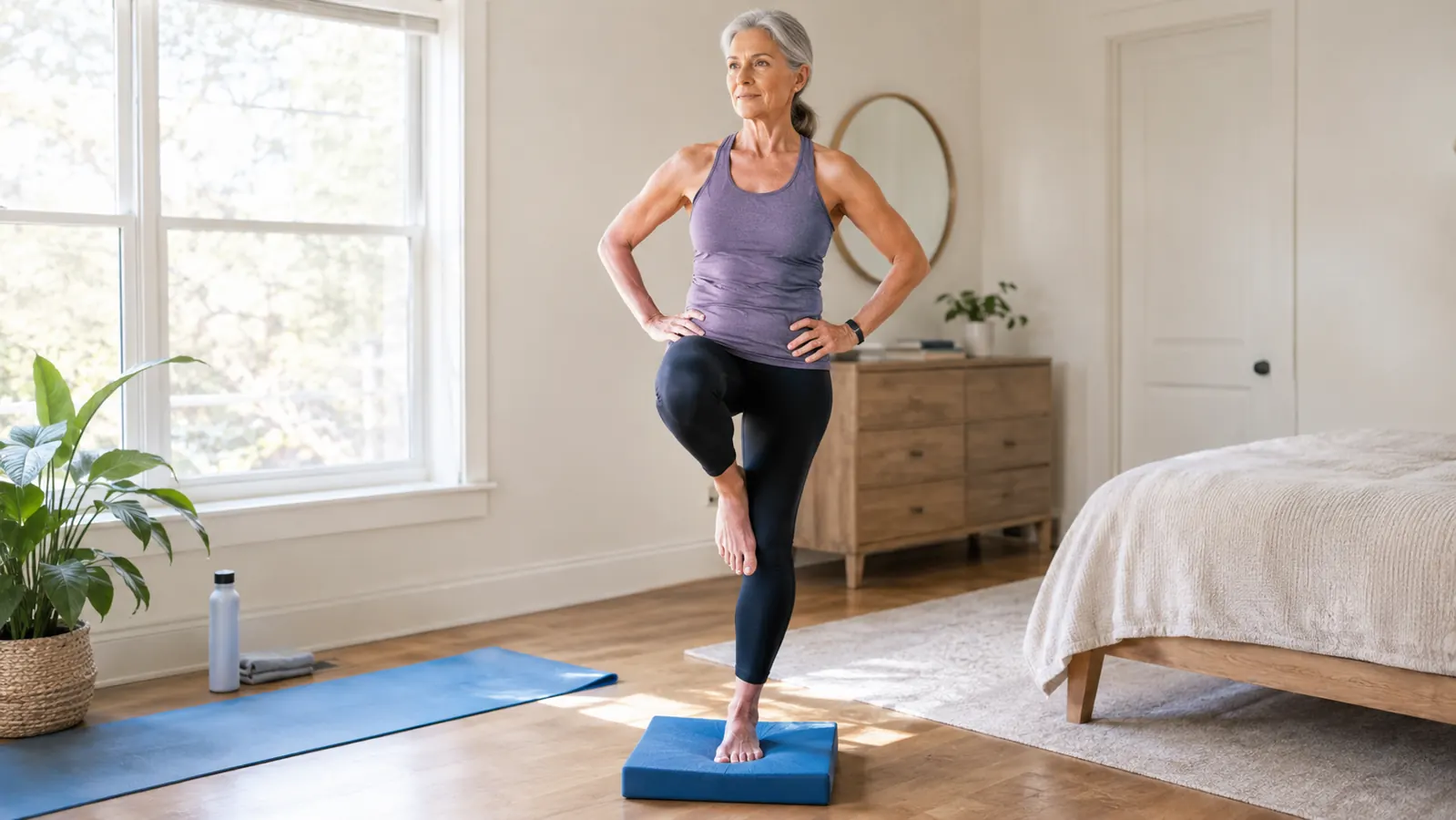
A balance pad makes that kind of work easier and more interesting than doing it on the floor. The ProsourceFit balance pad is a simple cushioned foam mat that gives a little underfoot. I use it in the small room three times a week, and I can honestly say it has made a real difference in how I walk, dance, and carry groceries. If you are wondering why balance training matters, here are ten reasons I have found worth the time.
Start with ten minutes a day
The ProsourceFit Balance Pad is the tool I reach for most. It stores flat, takes a minute to set up, and makes balance work feel less like homework. If you are ready to give your balance some attention, this is a good place to start.
Amazon Check Today's Price on Amazon →Steadier on the river trail
Last spring I tripped on a tree root near the turnaround point of my usual three-mile walk. Nothing serious, but it reminded me that my left knee and my balance aren't what they were at fifty. Since I started doing two minutes on the ProsourceFit pad each morning, my footing feels more sure. The pad is firm enough to challenge you, but soft enough that I don't worry about my ankle. I notice it most when the trail is muddy or wet. I don't have to look down as often, and I trust my feet to find solid ground without my eyes telling them to.
Easier stair climbs
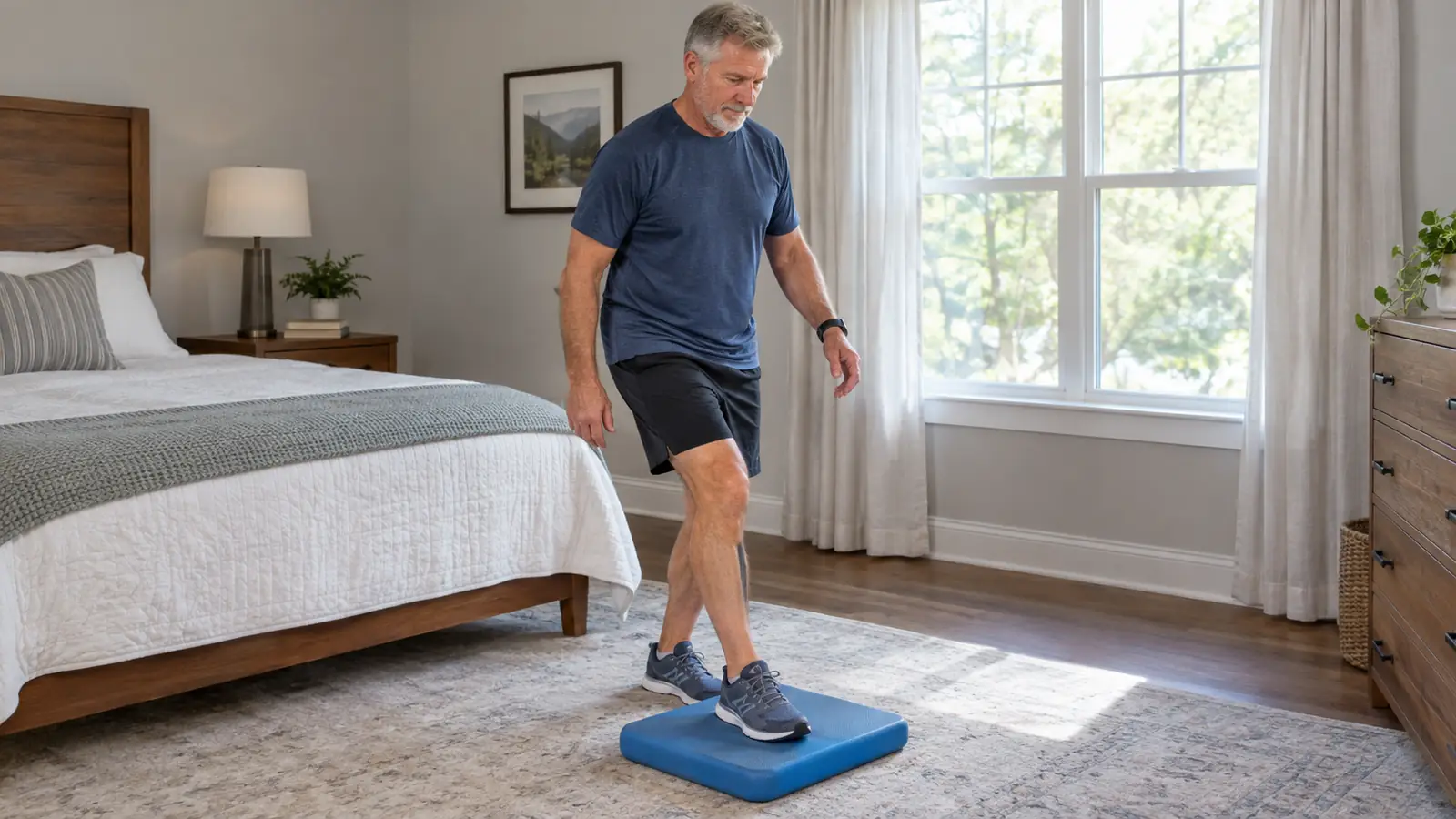
My left knee complains on stairs, especially after a long drive to visit my sister in Spokane. What I notice is that the muscles around the knee seem to share the work better when my balance is good. I do a simple heel-to-toe stand on the pad while I brush my teeth. That one habit has made the twenty-two steps up to my front door noticeably easier. I can carry a full laundry basket without gripping the railing with both hands. Last week I made it up with a bag of potting soil in one arm and a watering can in the other.
A stronger base for strength work
I do light strength work three days a week in the small room. Standing on the pad during a set of shoulder presses makes my whole body work harder, not just my shoulders. It forces my core to engage, and my right shoulder, the one I rehabbed after the 2019 fall, feels more stable when I do these on the pad. I started with five-pound dumbbells and have worked up to eight. The pad adds a wobble that turns a simple exercise into a balancing act. I never feel like I am going to fall, but I do feel the extra effort in my legs and midsection.
Better posture at the kitchen counter
I do most of my cooking standing at the counter. Chopping vegetables for ten minutes used to make me lean forward and grip the edge. Now I stand on the pad while I work. It is not a big movement, but it keeps my weight centered and my shoulders back. I can feel the difference when I am done. My lower back does not ache the way it used to, and I find myself standing taller while I wait for the kettle to boil. It is a simple way to turn everyday time into balance practice.
More confidence on the dance floor
Thursday nights are swing dance class at the community center. The first few weeks I was nervous about turning and changing direction. The pad work I do at home has given me a better sense of where my feet are in space. I can do a basic triple step without staring at my shoes. The instructor even commented that my frame feels more solid, which is exactly the kind of feedback you want when you are sixty-two. I do not worry about stepping on my partner's toes anymore, and that makes the whole class more fun.
Fewer near-falls in the yard
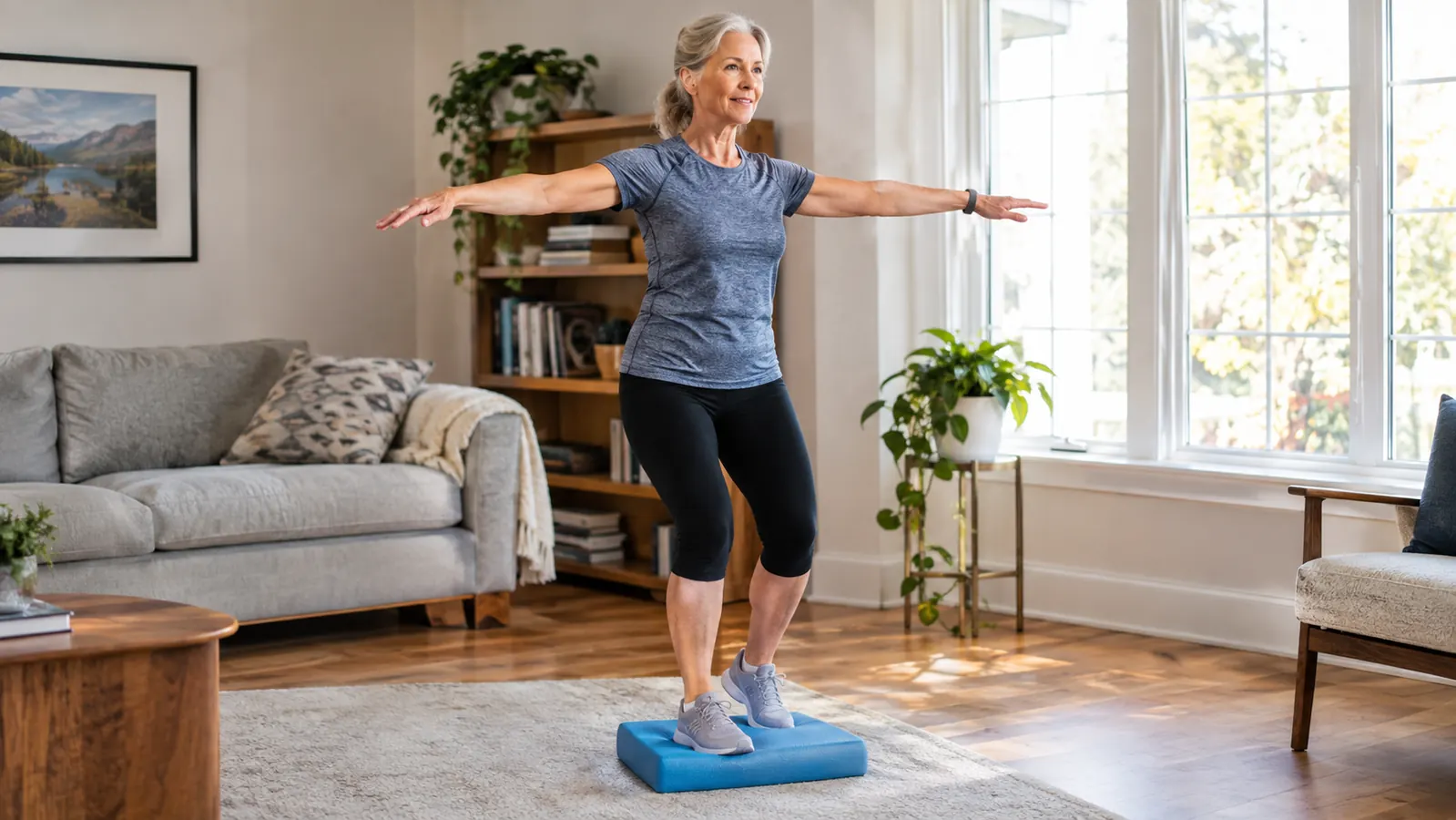
I do most of the weeding and watering in the yard, and I have a vegetable garden with tomatoes I can in September. Bending over a flower bed and then standing up quickly is exactly the kind of motion that can make you dizzy. Standing on the pad and getting up and down a few times each day trains my body to adjust to that change. I have not had a dizzy spell in the garden all season, and I can kneel and stand without holding onto the fence. That is a big deal for someone who spends hours on her knees.
A sharper sense of where your feet are
The technical term is proprioception, but I just think of it as knowing where my feet are without looking. The pad forces me to use the small muscles in my ankles and feet. I notice it when I am walking on gravel or stepping off a curb. My feet feel more connected to the ground. Last month I walked a stretch of rocky trail near the lake and did not stumble once. That is the kind of thing you only appreciate after you have had a few close calls.
Helps with the standing-on-one-foot test
I tried timing myself standing on one foot for ten seconds, just to see where I was. I could barely do five. Now I can do the full ten seconds on the pad, which is actually harder than on the floor because the pad gives underfoot. It is a simple check of how your balance is doing, and it is nice to see progress. I test myself once a week, and I have gone from five seconds to fifteen. I managed it easily, and that is a good feeling.
A way to keep your ankles and knees happy
The cushioning takes some of the impact off my knees and ankles when I am doing quick movements. I do side steps and small hops on the pad. It is low impact but still challenging. My joints feel better after a session than before. I have had less of that clicking feeling in my left knee since I started this routine. The pad is thick enough to absorb some shock but not so soft that I lose my footing. It has become my favorite piece of gear in the small room.
A daily reminder to stay active
The pad lives next to my yoga mat in the small room. Seeing it every day reminds me to spend even a few minutes on balance work. It is a small habit that keeps me moving. I do not have to think about it. I just step on and do a couple of exercises while I listen to the news. That little bit of daily effort adds up. I have been doing this for six months now, and I can tell the difference when I go on my morning walks. It is the easiest part of my routine, and the one I am least likely to skip.
What I'd Skip
If you have a serious medical condition that affects your balance, or if you have had a recent surgery on your hips or knees, talk to your doctor before starting any balance routine. A pad like this is not a substitute for physical therapy or medical advice. Also skip it if you do not have a flat, clutter-free space to use it. You need a clear area about the size of a bath mat. If you are not willing to spend even five minutes a day, you will not get much benefit. But for most people who just want to feel steadier on their feet, this is a simple and affordable tool that actually gets used.
Three minutes on that pad before my morning walk is worth more than an hour on the treadmill.
Give your balance the attention it deserves
I have been using the ProsourceFit Balance Pad for six months, and it has become a permanent part of my small room routine. If you are ready to start, this is the one I would buy again. It is sturdy, stores flat, and has made a real difference in how I move through my days.
Amazon Check Today's Price on Amazon →