
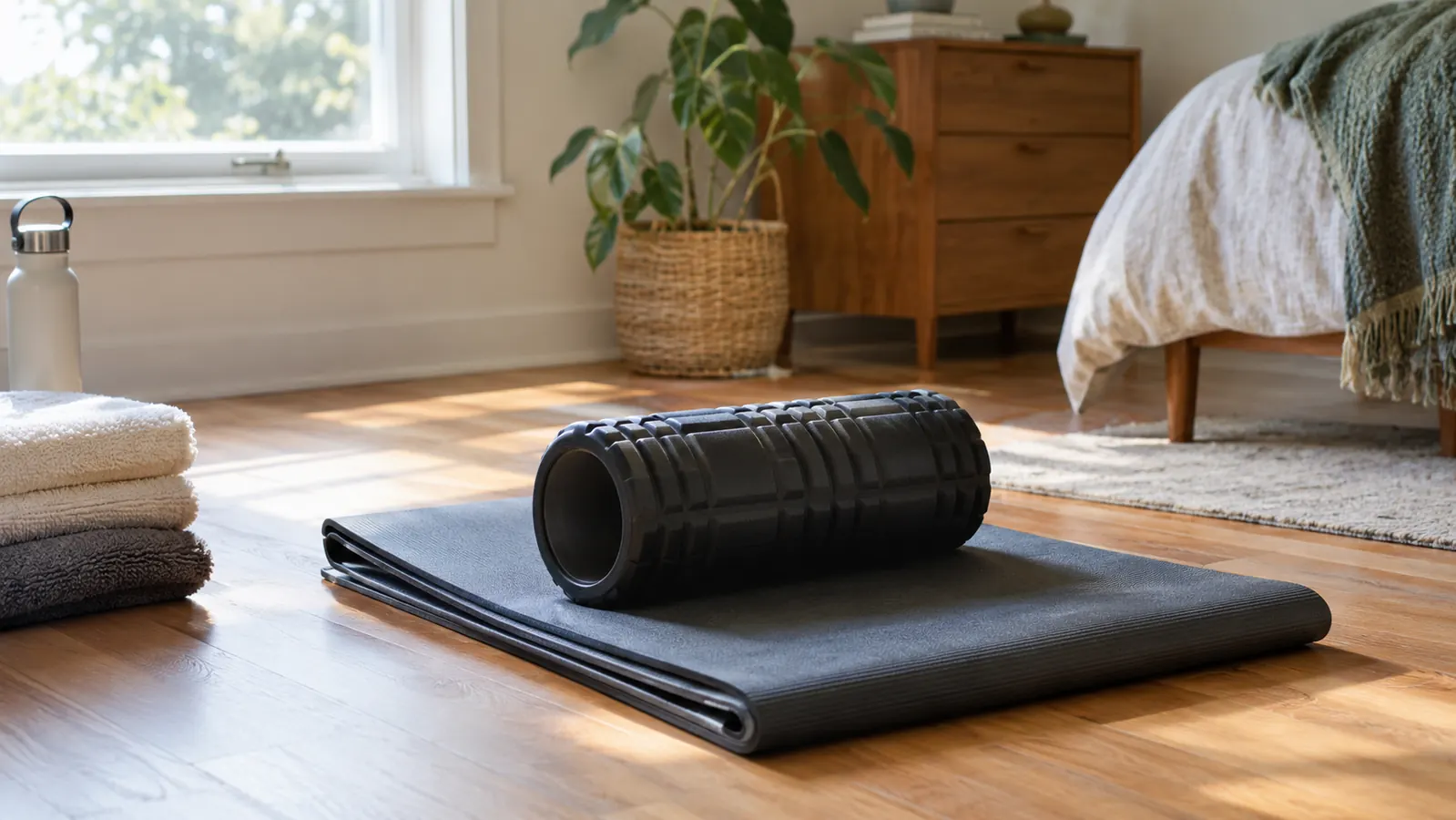
When I retired three years ago, I told myself the daily walk would be enough. Three to four miles on the river trail most mornings, a little strength work in the spare bedroom, and I would stay as mobile as I needed to be. That part was true. What I did not plan for was how tight my legs would feel by mid-afternoon, especially after a long walk or a day in the car. My left knee complains on the stairs. My right shoulder, the one I hurt in a fall back in 2019, gets stiff when I sit too long. I figured soreness was just part of getting older. Then a neighbor handed me her TriggerPoint Grid foam roller one morning and told me to try it before I wrote it off.
I bought the 13 inch version about six months ago because it fits in my hall closet and because I can use it on the floor of my small room without knocking anything over. I have used it nearly every day since, usually right after my walk and again after a long drive. This review is what six months of that routine actually looks like, including the parts that took me a while to get right.
The Quick Verdict
A sturdy, well-built roller that earns its keep if you start slow. The firm texture surprised me at first, but after six months it is the tool I reach for after every walk.
Amazon Check Today's Price →The 13 inch roller that fits in my hall closet
After six months of near daily use, the TriggerPoint Grid 1.0 is still as firm as the day I bought it. The multi-density surface works on big muscles like the calves and hamstrings, and the 13 inch length stores easily and travels well. It is the tool I reach for after every walk.
Amazon Check Today's Price on Amazon →How I've Used It
My routine is simple. After a walk, I roll out my calves, hamstrings, and glutes on the mat in the small room. Ten minutes, sometimes fifteen. I start with slow passes, breathing out as I go, and I stay off the really tender spots for the first few days. The roller does not have to hurt to be working.
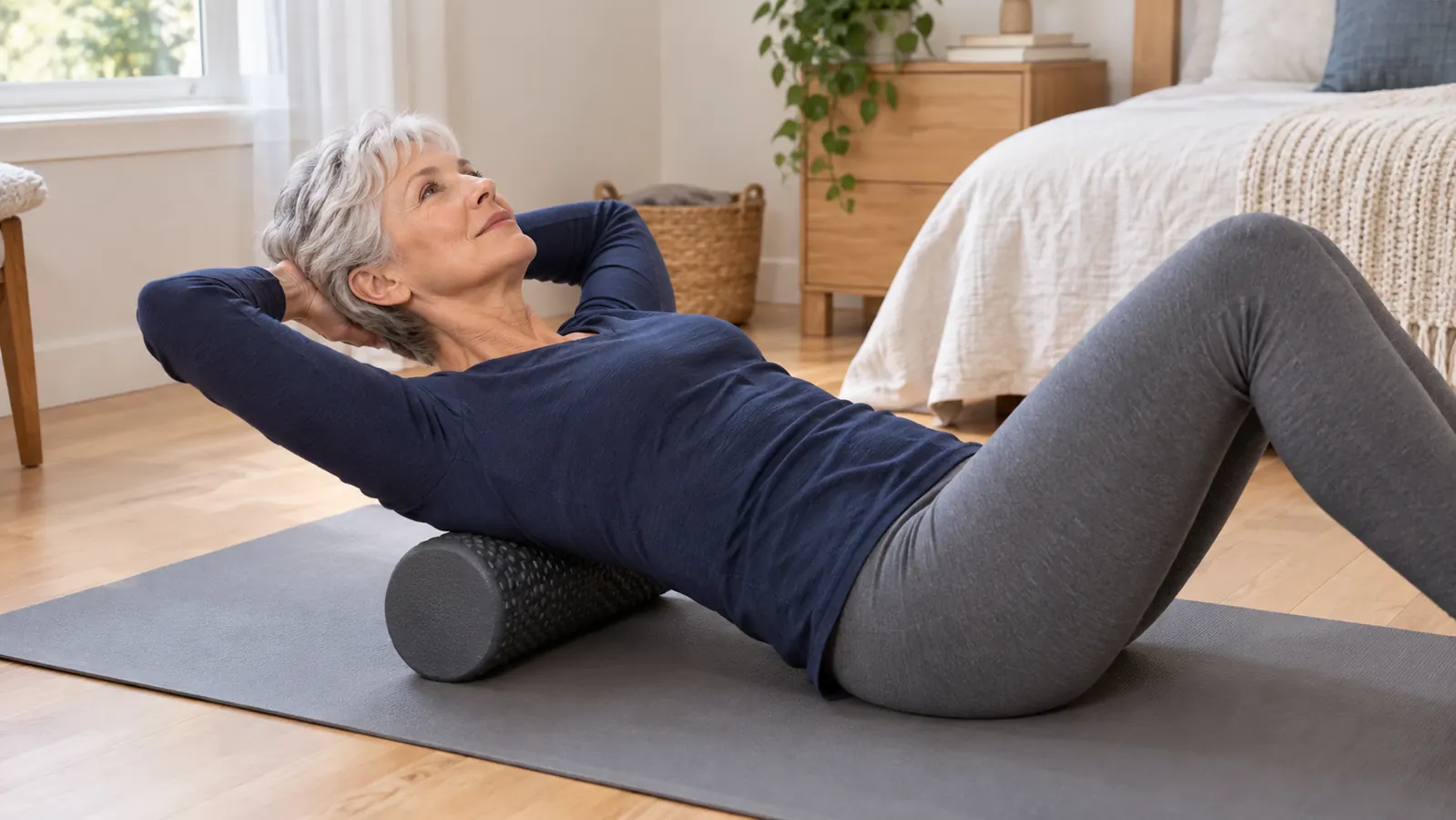
After a long drive I use it differently. I sit on the edge of the chair, put the roller under one thigh, and roll the front of the leg gently. That helps my knee more than I expected. For my shoulder, I lie on my back with the roller under my shoulder blade and let my weight do the work. No twisting, no fast movement.
Three days a week I do light strength work in the same room. The roller is part of that too. I use it before I start, to wake the muscles up, and again at the end, to cool them down. It has become the bookend to every session.
The order matters to me. I start with the calves because they are usually the tightest, then the hamstrings, then my back. I finish with the glutes, which I had ignored for years. My neighbor told me the glutes hold more tension than I realized, and she was right. Since I added that step, my lower back feels better after long walks.
Why I Chose the 13 Inch Size
The first thing to understand is that there are longer rollers, some as long as 36 inches, and there are smaller ones. I have tried both at a friend's house. The long ones cover more ground in one pass, which is nice, but they are awkward to store in a small home and heavier to carry. The little handheld ones never quite reached my back the way I wanted.
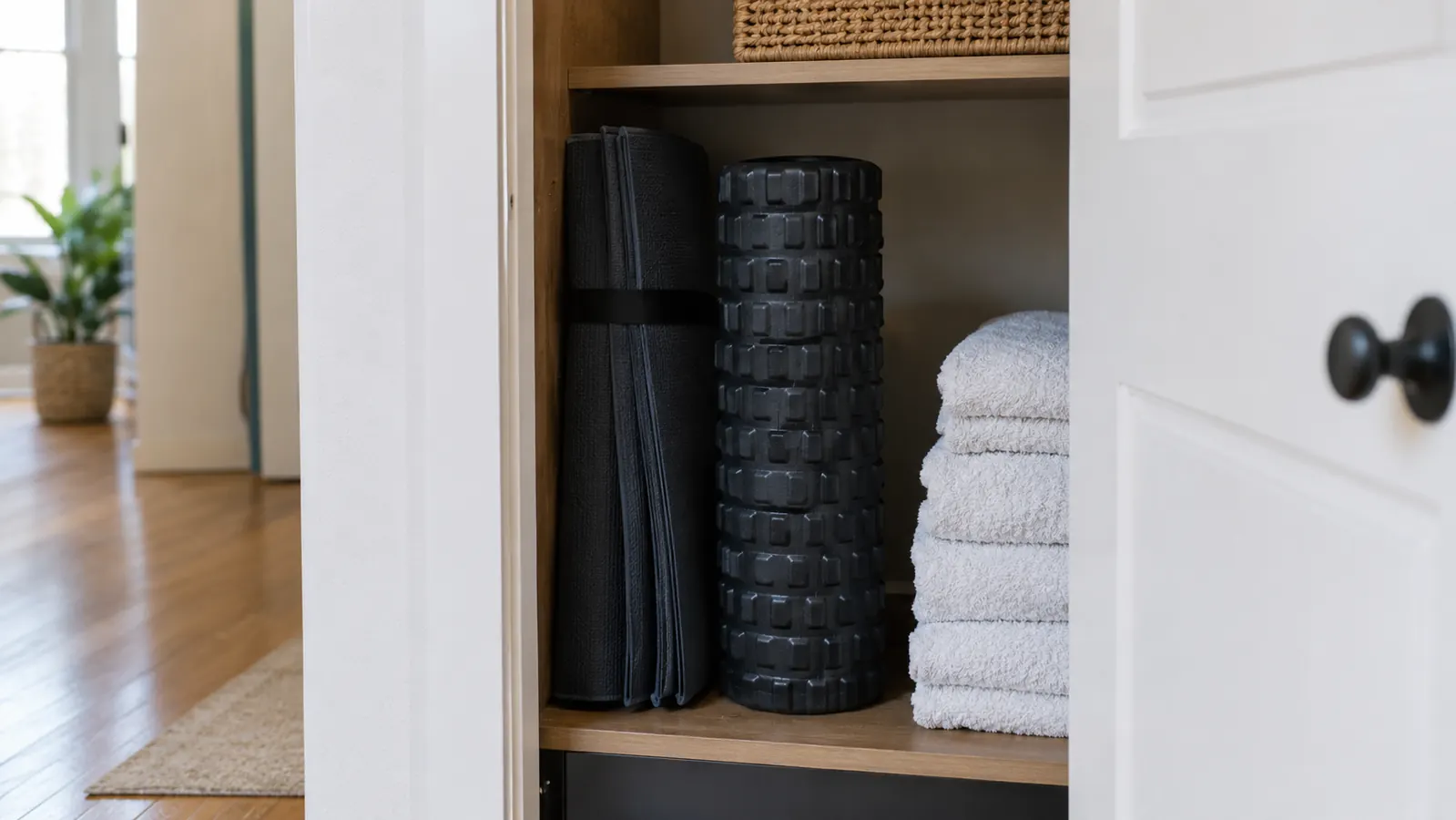
The 13 inch TriggerPoint sits in the middle. It reaches my calves, hamstrings, glutes, and the whole length of my back, because I can move my body over it instead of trying to cover the muscle with the roller. It stands upright in my hall closet, and it fits in a suitcase when I travel. For my space and my routine, that size is the one I keep reaching for.
The Texture Takes Getting Used To
I will be honest: the surface surprised me. The Grid 1.0 has a firm, ridged texture, not the soft cushioned feel of a cheap roller. The first few times I used it, my calves complained. I kept the sessions short and I did not press hard. By the end of the second week, my legs had adjusted and the firmness stopped being a surprise.
That firmness is the point. The multi-density surface works on the outer layer of the muscle first, then the deeper tissue as you settle in. It is not about gritting your teeth. It is about slow, steady pressure and letting the muscle soften on its own. If something is too tender, I back off and come back to it tomorrow.
A tip that helped me: put a thin towel over the roller for the first week if you are very sensitive. Once the muscles settle down, you can take it off. The grid texture is also easy to clean. A damp cloth and a little soap, and it looks new again, which matters when you use it every day.
One more note on the texture: the firmness is not the same across the whole roller. The multi-density design means some zones press deeper than others. I use the softer zones for the first pass over a tight muscle and let the firmer zones work after it starts to loosen. That is how I learned to trust it.
What It Did for My Knee and Shoulder
The honest result after six months: my knee still complains on stairs, but not the way it used to. The change is not dramatic, and I did not expect it to be. What I notice is that after a long drive, my knee does not stiffen up the way it did before I started rolling the front of my thigh. Loosening the muscles around the joint takes pressure off it.
My right shoulder is the same story. The fall in 2019 left it stiff, and I used to avoid anything that pulled on it. Now I spend two or three minutes with the roller under my shoulder blade most mornings, and I have stopped guarding it during swing dance class on Thursday nights. I move more freely, and I do not think about the shoulder as much.
I am not claiming the roller fixed anything. It did not. What it did was give me a way to manage the tightness myself, at home, without a gym or a trainer. That independence is worth more to me than any single exercise.
Six months in, my knee still complains on the stairs. But it does not stiffen up the way it used to after a long drive, and that is the change I notice every week.
Six Months In, How It Holds Up
Durability was my biggest worry, because I have bought cheap rollers before that flattened out and started to smell. The TriggerPoint Grid 1.0 has held its firmness. After six months of near daily use, the surface still feels the same as the day it arrived. It does not dent, it does not peel, and the foam does not hold odors the way the soft kind does.
The plastic core means it does not bend or sag under my weight. I clean it once a week with a damp cloth and it looks barely used. For a piece of gear that lives in my hall closet and comes out every day, that is exactly what I want. I expect to be using this roller in three years, and I rarely say that about exercise equipment.
One thing I appreciate is that the roller does not make noise and does not need to be plugged in. I can use it at six in the morning without waking anyone, though I live alone so that is more about the neighbors. It never runs out of battery. It never needs an update. It is the most low-maintenance piece of gear I own.
How It Compares to a Massage Gun
I have owned a massage gun for two years, and I still reach for the roller more often. The gun is useful for a specific spot, but it is loud, it needs charging, and I have to hold it steady while it vibrates. The roller is quieter, takes up less room, and lets my body weight do the work. For a small home like mine, that matters.
The roller also makes me slow down. A gun encourages me to press and move fast. The roller forces me to breathe and settle into a spot. For tight muscles after a walk, that slower approach works better for me. I keep the gun for travel, but the roller is the daily tool.
If you already own a massage gun, keep it. The two tools do different jobs, and I use both. But if you are choosing one tool for a small home and a daily habit, the roller is the one that earns its keep. It does not need charging, it does not take up a drawer, and it never makes me look for the cord.
Getting Started: What I Wish I Knew
If you are new to rolling, do not start with a full session. Start with one muscle group, maybe your calves, and keep it to three minutes. Use slow passes and breathe. If a spot is very tender, hover on it lightly and wait, do not bore into it. The first week is about teaching your body that this is safe.
The other thing I wish I knew: consistency matters more than intensity. Ten minutes most days beats one long session on the weekend. I use the roller after my walk because that is the habit that sticks. Put it somewhere you will see it, not at the bottom of a closet, and you will use it.
The Little Annoyances
No piece of gear is perfect, and this one has three things that annoy me. First, the firmness is a real adjustment. If you are used to a soft roller, the first week will be uncomfortable, and you have to be willing to start slow. Second, there is no instruction guide worth the name in the box. I learned by watching my neighbor and by trial and error.
Third, it will not do everything. It does not vibrate, it does not reach the spots a massage gun reaches, and it will not fix a problem that needs a professional. If you have a specific injury, see someone first and use the roller for maintenance, not treatment. I compared it with a massage gun over several weeks, and I still reach for the roller more often because it is quiet, simple, and always ready.
What I Liked
- Sturdy and well built; still firm after six months of daily use
- 13 inch length fits small homes, hall closets, and suitcases
- Multi-density surface works on calves, hamstrings, glutes, and back
- Easy to clean and does not hold odors
- Quiet and simple, no batteries or cords
Where It Falls Short
- Firm texture is a real adjustment for the first week or two
- No useful instructions in the box
- Not a substitute for a professional for real injuries
- Does not reach every spot the way a massage gun can
Who This Is For
This roller is for people like me: people who walk most days, do a little strength work at home, and want to stay mobile without joining a gym. It is for anyone with tight calves, hamstrings, or an achy shoulder who wants a simple tool they can use on the floor of a spare room. It is for people who value storage and durability over gimmicks, and who are willing to start slow and let the firmness work.
Who Should Skip It
Skip it if you want a soft, cushioned roller. The Grid 1.0 is firm on purpose, and if you will not give it two weeks, you will not enjoy it. Skip it if you have an acute injury or a condition you have not had checked. Rollers are maintenance tools, not treatments. And skip it if you will not use it consistently, because a roller that stays in the closet is a roller that does nothing.
Six months of daily use and it still feels new
If you walk most days and want a simple way to loosen tight legs and a stiff shoulder at home, the TriggerPoint Grid 1.0 is the tool I keep coming back to. It stores away, it cleans up in seconds, and it has held its firmness through six months of near daily use. That is the kind of gear I trust.
Amazon Check Today's Price on Amazon →